
http://www.avaaz.org/pl/crushed_to_make_our_clothes_loc/?tPqYPab
Avaaz ruszył z akcją zbierania podpisów pod petycją do firm odzieżowych takich jak H&M i GAP, w której proszą o to, aby firmy te podpisały umowę w sprawie zapewnienia w Bangladeskich fabrykach prawdłowej ochorny przeciwpożarowej i zapewnienia bezpieczeństwa. Czy akcja odniesie skutek - ciężko przewidzieć, ale sądzę, że to dobry sposób na to, aby pomóc obywatelom Bangladeszu w zmianie ich kraju na lepsze...
Klikając na powyższy link przejdziecie na stronę, na której możecie podpisać petycję.
https://secure.avaaz.org/en/crushed_to_make_our_clothes_loc/?fp
Avaaz has started an action of collecting signatures under the petition to clothing companies like H&M or GAP in which they ask the managers of those companies to sign the agreement on fire and building safety in Bangladeshi factories. If the action has any effect is hard to guess but I still believe it is a good way of helping the citizens of Bangladesh in changing their country for better...
By clicking the above link you will enter the page where you can sign the petition.
Pokazywanie postów oznaczonych etykietą Bangladesz. Pokaż wszystkie posty
Pokazywanie postów oznaczonych etykietą Bangladesz. Pokaż wszystkie posty
wtorek, 7 maja 2013


Tragedia w Savar cz.3/Savar tragedy part 3

Trochę to potrwało zanim pieniądze wreszcie trafiły tam, gdzie powinny. Okazało się niestety, że bank w Dhace nie przyjmuje przelewów w PLN (brak możliwości bezpośredniego przewalutowania). Podniosłam zatem kwotę do 100 USD, opłaciłam przelew i nareszcie się udało!
It took some time until the money finally reached it's destination. it turned out that unfrotunatelly that the bank in Dhaka could not accept the transfer in PLN because of no possibility of a direct conversion. I raised the amount to the exact of 100 USD, I paid for the transfer and it finally went through!
wtorek, 30 kwietnia 2013
Tragedia w Savar-kontynuacja/Tragedy in Savar-continuation

Według najświeższych danych liczba potwierdzonych ofiar śmiertelnych sięgnęła liczby 384. Nadal zaginionych jest 900 osób, a w 35-cio stopniowym upale, po pięciu dniach od tragedii nikt nie spodziewa się już odnalezienia w gruzach żywych ludzi.
Bardzo dziękuję wszystkim, którzy zdecydowali się wspomóc ofiary tragedii. W powyższym zrzucie z ekranu jest nr konta, nazwa banku oraz imię i nazwisko mojego przyjaciela, Jamsheda, właściciela Shomriddhi Foundation, której głównym aktualnym celem jest wspomożenie ofiar tragedii. Jeżeli ktoś jeszcze zechciałby pomóc - może dokonać przelewu we własnym imieniu, wpisując w tytule "for Savar".
During the Friday presentation on Bagladesh I collected from donors 305,67 PLN (around 7-8k BDT) for the victims of Tragedy in Savar near Dhaka. I made it 320 PLN and I paid for the transfer. The transfer awaits realization on my bank account. I will post the confirmation as soon as I get it (as I am going for a few days do Tallin it might take some time).
According to the newest information there are 384 confirmed deaths. 900 people are still missing and in 35 degrees heat, five days after the tragedy rescuers do not expect to find anyone alive under the debris.
I would like to thank anyone who decided to help the victims of the tragedy. In the above print screen you can find the bank account no, name of the bank and name of my friend Jamshed who is the owner of Shomriddhi Foundation The main actual goal of the foundation is to help the victims of the tragedy. If anyone of you would like to help you can transfer the money on your own behalf, just please title the transfer "for Savar".
środa, 24 kwietnia 2013
Tragedia w Savar/Savar Tragedy

Nie sądziłam, że tak się to smutno ułoży...
Właśnie skończyłam obrabiać zdjęcia z Cmentarza Banani, w Dhace, kiedy przeczytałam o tragedi w Savar, które jest nieco na zachód od jednego z centrów Dhaki - Uttara i na północny zachód od Banani właśnie.
W polskich mediach póki co nie zauważylam nawet najmniejszej wzmianki o tym, co się stało.
Dziś rano zawalił się budynek fabryki, których w tej okolicy jest wiele. Wszystkie są wielopiętrowe. W tej chwili wydobyto 108 ciał. Rannych jest do 600 osób...
Kiedy byłam w Dhace w innej fabryce w okolicy - w dzielnicy Gazipur - spłonęło prawie dwieście osób. Ci, którzy przeyli opowiadali to, co i tym razem - że pomimo wcześniejszego wykrycia problemów - zostali zmuszeni do kontynuowania pracy.
Może zabrzmię, jakbym była nieczuła, ale dlaczego nasze media krzyczą o kilku osobach, które zginęły w dowonym mieście Europy, czy USA, a tragedie tak masowe pomijają milczeniem? Czy mieszkańcy Azji Południowej cierpią mniej? Mniej zasługują na współczucie?
Tu znajdziecie więcej informacji na ten temat, niestety tylko w języku angielskim (zdjęcia jednak mówią same za siebie):
http://rt.com/in-vision/bangladesh-building-collapsed-rescue/
http://www.dailymail.co.uk/news/article-2313974/Bangladesh-Rescuers-use-massive-strips-cloth-escape-chutes-textile-factory-collapses-killing-96-people.html
http://bdnews24.com/bangladesh/2013/04/24/workers-say-they-were-forced-into-rana-plaza
http://bdnews24.com/bangladesh/2013/04/24/savar-building-collapse-deaths-cross-100

I had no idea of such a sad coincidence...
I have just finished processing my pictures from Banani Graveyard in Dhaka when I read about the tragedy in Savar which is places a bit to the West from one of Dhaka centers - Uttara and to the North-West from Banani.
In Polish media I haven't notices even the smallest news about what happened.
Today one of the many few stories high factories has collapsed. This area is famous for it's vertical factories. Until now there were 108 bodies found. Up to 600 people are injured...
When I was in Dhaka a similar situation had place. In one of the factories in a nearby district Gazipur nearly 200 people burned down. Survivors were telling similar stories - that also problems were detected earlier - they were forced to continue their work.
Maybe I will sound insensitive but why does our media scream about a few people who died in any place in Europe or USA but they go silent about such mass tragedies? Do inhabitants of South Asia suffer less? Are they not worth our grieve?
Here you will find more information on the topic (and pictures speak for themselves):
http://rt.com/in-vision/bangladesh-building-collapsed-rescue/
http://www.dailymail.co.uk/news/article-2313974/Bangladesh-Rescuers-use-massive-strips-cloth-escape-chutes-textile-factory-collapses-killing-96-people.html
http://bdnews24.com/bangladesh/2013/04/24/workers-say-they-were-forced-into-rana-plaza
http://bdnews24.com/bangladesh/2013/04/24/savar-building-collapse-deaths-cross-100

piątek, 19 kwietnia 2013
Chittagong i wieszaki z Tesco/Chittagong and hangers from Tesco

Dupa ci odmarza i ciągle kichasz. Nie powinnaś narzekać, bo i tak jedziecie specjalnie wynajętym busem i jest ci wygodnie, ale ciągle wszystkim za gorąco i krzyczą z tyłu, Robin, Sharna, podkręćcie klimę! I wiesz, że jesteś w mniejszości i nie chcesz się skarżyć, bo Mama uczyła, że masz być grzeczna, ale wiesz już, że w Chittagong na pewno kupisz sobie koc.
Bo Bengalczycy nie znają umiaru. Jak już jest klima, to musi być na full, inaczej znaczy – żadna klima, tylko jakiś tani nawiew i co to, w ogóle za badziew.
Stajecie na stacji benzynowej i idziesz na słońce, żeby zapalić papierosa i stajesz koło grupki facetów i wiesz, że cię obgadują przy swoich fajkach i jest ci od razu lepiej. Ktoś idzie do kibla i ucieka z niego z krzykiem, bo pewnie nie widział jeszcze kibli na Ukrainie i myśli, że taki syf to tylko tutaj. Kamran kupuje przekąskę w gazecie i się śmiejesz – o, jak w Rosji, tylko jeszcze lepiej smakuje, bo w Rosji nie dodają chilli, a ty kochasz chilli i jak chcesz zaszpanować w Bengalskim towarzystwie, to jesz je na surowo „i rany, ty jesteś z Europy, tak to nawet my nie jemy”, a ty pękasz z dumy i po kryjomu popijasz Sprite’a.
Nagle ze stacji wypada na ciebie facet, który właśnie odszedł od dystrybutora i krzyczy „no smoking, no smoking here” i Robin się śmieje, że możesz go olać, bo i tak chciał się tylko pochwalić, że umie coś powiedzieć po angielsku.
Wsiadacie z powrotem i mówią, że Chittagong już blisko, ale mina ci rzednie, jak widzisz korek przed wami, bo właśnie weekend się kończy i wszyscy wracają do domu, a drogi są tak wąskie jak w Polsce powiatowej i już wiesz, że prędko nie dojedziecie i jeszcze możesz zęby stracić, jak będziesz nimi szczękać z zimna.

Aż w końcu jesteście w domu brata Robina i szybko, szybko, bo szwagierka zrobiła lunch, a przed odjazdem autokaru chcę wam jeszcze fabrykę pokazać. Siadacie do stołu i szczęki opadają wam coraz niżej, kiedy widzicie ile potraw wjeżdża na stół. I szwagierka tłumaczy
- Przepraszam, za skromny poczęstunek, nie miałam czasu się przygotować.
Czujesz się, jakby była Wigilia i tylko choinki w kącie brakuje, bo potraw jest więcej niż dwanaście, bo i ryby i mięsa i owoce morza i sałatki i curry i resala i cholera wie, co jeszcze. I wiesz, że jak choćby spróbujesz wszystkiego, to już nie wstaniesz od stołu, bo nie będziesz w stanie poderwać swojego przeciążonego tyłka, a „na deser przygotowałam ciasta i jogurt”. I nawet nie masz czasu podziękować za choćby połowę tego wszystkiego, bo nie gadajcie teraz, trzeba jechać dalej, a ty próbujesz sobie przypomnieć, kiedy ci nadano tytuł królewski, że takie czekają na ciebie przyjęcia.
Bengalczycy to najbardziej gościnny naród świata. I nigdy im nie dorównamy.
Wychodzicie kłaniając się w pas w podziękowaniach, chociaż naprawdę trudno wam się zginać i wsiadacie do samochodu. Jedziecie do fabryki tekstyliów, która ma jakiś związek z bratem Robina, ale nie do końca wiesz jaki i już nie pytasz, bo Robin zmienia temat i strasznie mu przykro, że bratanek jest w szkole i że nie może go zobaczyć, bo strasznie kocha tego dzieciaka. I widać, że chciałby już mieć własne dziecko i to jest jeszcze bardziej egzotyczne od wszelkich widoków za oknem, bo nie wiesz, jak to jest, chcieć mieć dziecko, a palmy i przeludnione ulice już przecież nie raz widziałaś i to na różnych kontynentach.
Chittagong jest jeszcze mniejszy niż Dhaka i ma węższe uliczki, ale ludzi też żyje tu mnóstwo. Wyglądasz za okno i wyciągasz szyję, żeby zobaczyć skrawek wody i łodzie rybackie i widzisz czasem gdzieś w oddali statki handlowe, ale nie tak wielkie, jak te, które znasz i czujesz nostalgię, bo jednak jesteś wodnym stworzeniem i nie przypadkiem przyjaciele twoich rodziców zastanawiali się, jak to możliwe, że się urodziłaś bez błon między palcami. A potem wjeżdżacie w interior i wody już nie widać, za to wszędzie na ulicach ktoś tłucze cegły i właściwie nie wiesz po co i dlaczego, ale nie ma kogo zapytać, bo poruszacie się w żółwim tempie i Robin ciągle wysiada, żeby z kimś porozmawiać, Kamran jest zajęty Alicią i Michelle, a Sharna w kółko rozmawia przez telefon, bo co z tego, że ma wolne, w tym kraju wolne nie istnieje, jak nie pracujesz, to pracujesz, tylko na odległość.

I w końcu dojeżdżacie i zapraszają was do środka i wszyscy się uśmiechają i się czujecie jak jakaś ważna delegacja, bo wszyscy są tacy mili i mówią, że im przykro, ale akurat jest przerwa na lunch i rzeczywiście w środku ludzi jest mało i przy maszynach prawie nikogo nie ma i nawet nie chcesz sobie wyobrażać, jaki tu musi być huk, kiedy to wszystko pracuje, wre i aż krzyczy.
Światła jest mało, bo okna pozasłaniane i tylko jarzeniówki nieśmiało świecą pod sufitem i sobie myślisz, że chyba jak tu jest więcej ludzi, to zapalają ich więcej, bo w takim oświetleniu przy tych wszystkich maszynach, igłach i niciach to wzrok można stracić po tygodniu. Kierownicy was oprowadzają i opowiadają bardzo dużo, tak dużo, że nic nie jesteś w stanie zapamiętać, bo twój mózg już nie przetwarza natłoku informacji. I tylko strasznie cię śmieszy, że widzisz te same bluzki, które widziałaś w Tesco, a jeszcze lepsze są kartony pełne charakterystycznych wieszaków z rozmiarami. I przeżywasz jakieś dziwaczne deja vu, aż w końcu prawie gwiżdżesz z podziwu (gwizdać nigdy się nie nauczyłaś i tłumaczysz, że to dlatego, że na jachtach gwizdać mogą tylko ci, którzy opłynęli Horn, a oni też mogą sikać pod wiatr i ty się nie zniżysz do takiego poziomu), kiedy widzisz etykietki z cenami w funtach i myślisz o tym, że w Dhaka City College Market zapłaciłabyś za to samo jedną dwudziestą ceny.
Prowadzą was do małego pomieszczenia, gdzie jest kontrola jakości i wykładają na stół różne swetry, bluzki i cholera wie, co jeszcze i mówią wybierzcie sobie coś, na pamiątkę, our treat. I wszyscy oponują i nikt nie chce nic brać i oni tylko donoszą kolejne ubrania, aż Robin syczy, no weźcie coś, bo nigdy stąd nie wyjdziemy.
I nie trzeba drugi raz powtarzać, bierzesz największy, rozpinany, brązowy sweter i się cieszysz, bo wiesz, że nie zdążyłabyś już kupić koca, a tak, może uda ci się nie zamarznąć w autokarze i może dzięki temu nie wrócisz do Dhaki z zapaleniem płuc. A w ogóle, to będzie niezły szpan, założyć taki sweter z Tesco, ale prosto z fabryki, jeszcze bez metki Made in Bangladesh i wszystkim opowiadać, że widziałaś, jak to się robi.
A potem wypadacie z tej fabryki, bo autokar jest za czterdzieści minut i jeżeli będzie miał tylko godzinę standardowego opóźnienia, to macie mało czasu. Zabieracie rzeczy od szwagierki Robina i pędzicie na dworzec i kierowca zakręca busem w niedozwolonym miejscu i zatrzymuje was policja, ale widzi pięć białych twarzy w środku i mówi, możecie jechać, a Robin dodaje “that’s thanks to you guys”. Bo Bengalczycy przyjezdnych traktują lepiej niż siebie nawzajem.
Aż dojeżdżacie na dworzec i wielkie zaskoczenie, bo autokar odjechał prawie o czasie i nikt nie rozumie, jak to się mogło stać. Ale staje w jeszcze jednym miejscu w Chittagong, więc musicie gonić, a goń tu kogokolwiek, jak wszystko stoi, nic się nie porusza, a trąbią wszyscy, więc to nie tak, że ktoś was usłyszy. I przestaje być śmiesznie, bo chcesz już do Dhaki, bo chcesz już do S., do jego ciała i głosu, do tego cudnego, chudego tyłeczka i jego długich włosów, które są piękne, chociaż on wcale o nie nie dba, bo już tęsknisz i jeszcze nie wiesz, że za kilka miesięcy nie będziesz chciała go więcej znać. Bo jeszcze wciąż miłość i ćwierkanie i motyle w brzuchu i mogłabym dla ciebie umrzeć.
Ale udaje się. Zdążyliście przed autokarem na kolejny przystanek. I masz jeszcze czas, żeby zapalić papierosa...

Your ass freezes off and you sneeze all the time. You shall not complain – after all you ride with a specially rented car and you are comfortable but everyone is always too hot and they scream from the back, Robin, Sharna, turn up the AC! And you know you’re in the minority so you try not to whine cause mom taught you to be a nice girl but you already know that in Chittagong you will have to buy a blanket.
Cause Bengalis know no moderation. If there is an AC it has to work to the extreme otherwise it is not AC but some cheap ventilation and what the hell is that shit.
You stop on some gas station and you go towards the sun to have a ciggie and you stand next to the group of some men and you know they’re talking about you smoking their cigarettes and you feel better immediately. Someone goes to the toilet and runs back screaming cause he has probably never seen toilets in Ukraine and he thinks that such mess is possible only in here. Kamran and Sharna buy some snacks packed in a gazette and you laugh – like in Russia but it tastes better cause in Russia they don’t use chilli and you love chilli and when you want to swagger among your Bengali friends you eat it raw and “seriously are you from Europe cause even we don’t eat it like you” and you’re so proud and you drink some Sprite in hiding.
Suddenly a guy runs toward you from the gas station and he just stepped away from the distributor and he yells “no smoking, no smoking here” and Robin laughs and tells you not to worry cause the guy just wanted to show off and prove that he can say something in English.
You get back to the car and they say Chittagong is close but you turn nervous when you see the traffic jam in front cause the weekend is about to end and everybody is coming back home and roads are as narrow as in county Poland and you already know that it’s gonna take time and you still can lose your teeth if you continue to chatter them out of cold.

And finally you are at Robin’s brother home and quickly, quickly cause my sister-in-law prepared lunch and before the bus to Dhaka leaves I want to show you a factory. You sit at the table and your jaws are getting lower and lower when you see how much food is being served. And Robin’s sister-in-law is explaining
- I am so sorry for such a plain meal but I had no time to prepare myself.
And you feel like on Christmas Eve and just Christmas tree is missing because there is more than twelve dishes and there are fish and all kinds of meat and sea food and salads and curry and resala and what-a-not. And you know that if you just try all of this you will not be able to move away from the table because of your overloaded ass and “for dessert I prepared yoghurt and cakes”. And you don’t even have time to say thank you for at least half of it cause “don’t talk right now, we need to go" and you just try to remind yourself when was it that you got a queen title so that now such a reception is awaiting you.
Bangladeshis are the most hospitable nation in the world. And we will never match them.
You leave the house bowing as low as you can though it’s really hard to do and you pack yourselves into the car. You are going to the textile factory which has some connection with Robin’s brother but you don’t really know what kind of relation that is but you don’t ask cause Robin has just changed a subject and talks about how sorry he is that he can’t see his nephew cause the nephew’s at school and he loves the kid so so much. And it’s obvious that he would like to become a father himself and it is even more exotic than the views outside the window cause you really don’t know how it feels to want to have a baby but you have already seen many palm trees and overcrowded streets on quite a few continents so far.
Chittagong is even smaller than Dhaka and streets are more narrow but there is still loads of people. You look outside the window and you try to see at least some water and fishermen’s boats and sometimes you catch a glimpse of merchant ships, maybe smaller than those you are used to but you feel nostalgic – after all you are a water creature and your parents’ friends had some reason to ask how is it possible that you were not born with interdigital webbing. And then you go deeper into the land and you cannot see the water anymore but everywhere on the streets someone is smashing bricks and you don’t know why or what for and there is no one to ask cause Robin gets off the car all the time to talk to someone, Kamran is busy with Alicia and Michelle and Sharna talks on the phone constantly – who cares that she is on vacations, in this country there is no vacations and even when you are not working – you are working but from the distance.

And finally you reach the place and they invite you in and everybody’s smiling and you feel like some VIPs –they are so nice and tell you that they are so sorry because it is the lunch break and there is just a few people inside and there is no one working and you do not even want to imagine how loud it must get when all those mashines are on and boiling and screaming.
There is very little light cause windows are curtained and only glow-tube lamps give some shy light from under the ceiling and you think that hopefully when there is more people they turn on more lights cause in this light next to those machines, needles and threads people must go blind after a week. Directors show us around and they talk a lot and you are not even able to remember all those information – your brain simply does not process them anymore. And it just seems so funny that you see here same blouses you saw in Tesco and the only thing that is better are boxes full of characteristic hangers with sizes written on them. And you feel like if it was some weird déjà vu and finally you almost whistle out of admiration (though you can’t really whistle – you have never learned and you always say that it’s because on yachts only people who sailed around Horn can whistle but they can also pee against the wind and you are not going to lower yourself like that) when you see labels with prices in British Pounds and you realize that in Dhaka City College Market you would be able to pay one twentieth of that for the same thing.
But here they walk us to the small room of the quality check and they start putting on table all kinds of blouses and sweaters and god only knows what else and they say, choose something, take it as a souvenir, our treat. And everybody opposes and doesn’t want to take anything and they keep to bring new clothes and Robin just whispers, c’mon take something or they will never let us out.
And there is no need to repeat again and you take the biggest, brow cardigan and you are happy cause you know that there would be no time to buy a blanket and now maybe you will not freeze to death on the bus and you might actually get back to Dhaka without pneumonia. And what a way it will be to show off by wearing a cardigan from Tesco but the one straight from the factory which doesn’t yet have the Made in Bangladesh label and you will be able to tell everyone that you know how it’s done.
And then you run out from the factory because there is only forty minutes until the bus leaves and if it is about to be only one standard hour late than you really have very little time. You take your stuff from the sister-in-law and you hurry towards the station and the driver takes turn in the wrong place and you end up stopped by the police. But the police sees five white faces in the car and they let you go and Robin says “that’s thanks to you guys”, because Bengalis treat foreigners better than themselves.
You reach the station and you are so very surprised because the bus left almost on time and no one understands how it could happen. But it has another stop in Chittagong so you need to run and catch it but how is it possible to chase anyone or anything when everything is standing, nothing moves and everybody is horning so it’s not like you can make yourselves hearable. And it’s not funny anymore cause you want to get back to Dhaka, to S., to his body and voice and his awesome, skinny ass and his hair long and beautiful although he never takes care of them. You want back cause you miss him and you do not realize that in a few months you will not even want to know him anymore. Cause now it’s still love and twitting and butterflies in your stomach and I would die for you.
You make it. You Reach the stop before the bus. And you even have the time to smoke your cigarette…

środa, 17 kwietnia 2013
Cox's Bazaar (do I write in Khemirish?!)

Wychodzisz na plażę, jak każdy turysta. Klapki nabierają piasku, stopy się zpadają. Chce ci się biec, bo Zatoka Bengalska jest tak blisko, ale za dużo kosztuje to wysiłku. To przyspieszasz, to zwalniasz, walcząc z oporem miękkiego podłoża. I nie wiesz, czy zdjąć te klapki i brnąć na bosaka, czy może jednak unikać poparzeń od rozgrzanego piasku.
Jest pora sucha. Deszczu nie było od dawna.
Dopadasz w końcu brzegu i nurzasz palce w chłodnej wodzie. Fal prawie nie ma. Rzucasz w pośpiechu rzeczy na jeden z plastikowych foteli i biegniesz przed siebie. Woda tak przyjemnie chlodzi. Dziwnie się czujesz, bo musisz biec w ubraniu, tu nikt nigdy się nie rozbiera. Tu nawet na basenie nikt nie używa kostiumów kąpielowych. Wszyscy wchodzą do wody w ubraniach - kobiety w sharee i shalwar kameez, mężczyźni w T-shirtach i dżinsach i tylko naprawdę maleńkie dzieci, jeszcze bezradne bez pomocy dłoni rodziców, mogą poczuć nagość i słońce na mikroskopijnych plecach.
A na plaży nikt się nie kąpie. Wbiegasz coraz dalej, a masz wrażenie, jakbyś stał wciąż przy brzegu. Dobrze wiesz, że to szelf kontynentalny, więc głębokośc zmienia się nieznacznie. Mógłbyś tak iść w nieskończoność i wciąż czuć grunt pod stopami. Ale nagle ktoś woła cię z tyłu, przekrzykując szum morza, odwracasz się i chcesz wrócić, bo nie rozróżniasz słów i tylko n-tym zmysłem wyczuwasz, że kierowane są do ciebie.
I zaczynasz rozumieć.
Prąd znosi cię w lewo i odciąga od brzegu.
Już wiesz dlaczego nikt się nie kąpie.
Czujesz, jakby wzywał cię ocean, jakby nagle postanowił, że należysz do niego i że brzeg już ci niepotrzebny. Może się stęsknił? - myślisz, wspominając trzy miesiące, które spędziłaś na jego wodach i parskasz śmiechem na myśl o tym absurdzie.
Jednak śmiech na chwilę zamiera, bo wiesz, że powrót do brzegu to będzie walka. Powoli przesuwasz nogi i nie idziesz prosto, tylko trochę na prawo, żeby zrównoważyć mimowolny dryf. Po dłuższej chwili docierasz na bezpieczne wody, gdzie prąd już nie ma prawa cię porwać bez twojej woli. A przynajmniej nie za daleko.
Skaczesz jeszcze chwilę w nikłych falach przyboju. Cieszysz się każdą chwilą, aż woda niecnie zaczyna ściągać ci spódnicę i chcesz już wyjść, bo masz wrażenie, że ściągasz zbyt wiele spojrzeń. Wyskakujesz na brzeg, wracasz do przyjaciół. Wszyscy ociekając zderzają się ze sobą. Chcesz się przebrać ale nagle dookoła robi się za ciasno. Już nie masz przestrzeni. Wokół zebrał się tłumek gapiów. Jakiś facet wyciąga komórkę, staje naprzeciw ciebie, dosłownie dwa kroki, możesz go dotknąć, jeśli tylko wyciągniesz rękę, a on robi zdjęcie. Ktoś inny błyska fleszem zza pleców kolegi.
I ludzie stoją dookoła was, bez słowa, wymieniają tylko ciche komentarze między sobą i śledzą każdy wasz ruch. Nie są nieprzyjaźni, ale rzadko się uśmiechają. Zakrywasz się bardziej, bo mokre ubrania przylegają mocno do ciala, a przecież jesteś w muzułmańskim kraju. Wyciągasz aparat. I ci, którzy przed chwilą robili ci zdjęcia nagle stają przed tobą w roli modeli. Odpłacają za to, że nie uciekłaś - ani ty, ani twoi przyjaciele. I na twarzach wykwitają uśmiechy.
Bengalczycy uwielbiają się gapić. Ale i uwielbiają pozować.
Siedzicie tam jeszcze chwilę, aż w końcu ktoś czuje się za bardzo skrępowany i “idźmy już stąd”. Więc idziecie. Wieczór spędzacie na dachu hotelu. Po drodze próbujecie kupić flaszkę, ale 90 euro za 0,7 litra Johny’ego Walkera to za dużo, może nie na kanadyjską, ale na pewno na polską kieszeń.
Kolejnego dnia nawet nie wiecie, co was czeka. Nagle Robin mówi - jedziemy na prawdziwą plażę. Więc idziesz za Adą, albo ona za tobą, bo kolejność traci znaczenie.Wsiadacie do półciężarówki, na pakę przystosowaną do przewozu osób, z niebieskim rusztowaniem nad wami. Kierowca rusza, depcząc na gaz, jakby wiał przed policją. I trąbi, trąbi bez przerwy, jak wszyscy w tym kraju i musicie krzyczeć do siebie, co sił w płucach, żeby powiedzieć, ładny widok, tam - po prawej. i jedziecie, czując się jak jakaś bananowa młodziez, w tym kraju, gdzie mało kto może doświadczyć takiej radości. I macie wiatr we włosach i słońce świeci wam w oczy, a wy nie chcecie się niczym przejmować. Nawet tym, że paskudne hotele zamieniają się w jakieś klecone chatki po drodze. Cox’s Bazaar i tak nie jest biedne.

Jedziecie i co chwila chcecie się zatrzymać, żeby zrobić zdjęcia, o tu jest, kurwa, naprawdę pięknie, ale kierowca udaje, że nie rozumie, albo że nie doslyszał, bo chce tylko jak najszybciej dojechac na miejsce. I w końcu jesteście, tam gdzie diabeł mówi dobranoc, ale za to jak pięknie to mówi, to już tylko wy wiecie, bo widok jest taki, że każdy by wam pozazdrościł.
Bo i łódki rybackie o kształcie, jak łodzie Wikingów i wypozyczalnia czarnych parasoli, żeby się za bardzo nie opalić i targ z kokosami i biegające wokół dzieciaki - wszystko, ale to wszystko jest piękne.
Idziecie w kierunki morza i dzieci biegną za wami. I nie rozumiecie, czego chcą, więc robicie zdjęcia i uśmiechacie się najszerzej jak potraficie, aż w końcu zaczynacie rozumieć, bo gest jest międzynarodowy i ponad podziałami - wyciągnięta ręka. I powtarzacie z uporem maniaka “nei, nei, nei”, za waszymi Bengalskimi przyjaciółmi, więdząc, że to znaczy nie i jest wam przykro i bardzi głupio, ale przecież wiecie i ty wiesz doskonale, bo nie razu już byłaś w tej sytuacji, że paroma taka świata nie naprawisz i że te pieniądze i tak dzieciakom nie zostaną i żałujesz tylko, że nie masz chociaż cukierków, bo wszyscy dookoła mówią “tylko nie dawajcie im pieniędzy”.
Ale wasi bengalscy przyjaciele coś tam wyciągają, jakieś drobne, na złotówki to parę groszy może wyjdzie i pytasz, czy ja mogę, ale nie i przestań robić zdjęcia, bo się nigdy nie odczepią.
I już nie chcesz o tym myśleć, więc wskakujesz do oceanu, tym razem w samym kostiumie, bo ludzi dookoła mało, prawie w ogóle ich nie ma i same dzieci, a one przecież jeszcze wstydu nie znają.
Ale pamiętasz o przybrzeżnych prądach i już masz więcej rozsądku i dokazujesz, ale z umiarem, bo fale są większe i potrafią cię przewrócić i pamiętasz jeszcze, jak parę late wcześniej prawie cię porwały za archipelag, kiedy nurkowałaś kolo rekina “bo on nie ludojad”. I się niby nie boisz, ale masz wyrzuty sumienia, a te są prawie jak strach, więc stąpasz ostrożnie i już nie dokazujesz jak dzień wcześniej. I potem wybiegasz znowu na brzeg. I cieszysz się, jak ci się krab wkopie spod nogi, bo już się go ni boisz i nie narobisz wrzasku, jak kiedyś, gdy zdazylo się to pierwszy raz. Bo wiesz, że tylko pierwsze razy bywają straszne, a reszta to już tylko kwestia przywyczajenia...
Dlaczego pytam, czy piszę w “Khemirish”? Bo skończyłam przedwczoraj powieść Jonasa Hassena Khemiriego pt. “Montecore”. I od tego momoentu, gdy tylko pisze po angielsku (czytałam angielski przeklad), a nawet po polsku, mama wrażenie, że kradnę. Khemiri jest bardzo przystojnym mężczyzną. A pisze jeszcze lepiej niż wygląda. i zastanawiam się, jaki bóg tak to wymyślił, że niektórzy mają piękne i to, co w środku i to,co na zewnątrz. Jeśli ten facet nie skończy z Noblem, to możecie mnie pochować i to w obecności księdza - niech mnie pośle do piekła, jak się należy ateistce.
I niech mnie Jonas Hassen Khemiri pozwie do sądu - mam jego powieść w pdfie i prześlę każdemu, kto poda mi e-mail, bo w Polsce się jego książki, jedynej tłumaczonej na angielski, kupić nie da, więc będę rozprzestrzeniać wirusa “khemirzimu”. Na swoje usprawieldiwienie mam tylko tyle, że robię, co mogę, żeby zainteresować nim odpowiednie osoby i doprowadzić do stworzenia polskiego przekładu...
Więcej zdjęć tutaj

You go on the beach like any other tourist. Flip-flops start gathering sand and your feet sink. You wanna run cause Bengali Bay is so, so close but it costs you too much effort. Once you speed up, once slow down fighting the resistance of a soft ground. And you don’t know any more if you shall take off you flip-flops and carry on barefoot or maybe you’d rather avoid burns from the hot sand.
It’s the dry season and there has been no rain for quite some time now.
You finally reach the shore and put your fingers into the cool water. There are almost no waves. You quickly throw your things on one of the plastic chairs and you run straight ahead. Water cools you down so nicely. It feels weird cause you need to run in your clothes – no one takes off their clothes in here. Here even in the swimming pool most people bath fully dressed – women in sharees or shalwar kameez and men in their jeans and T-shirts. Only truly small children, helpless without their parents caring hands can feel being naked and warmth of the sun on their microscopic backs.
And on the beach no one is bathing at all. You run deeper and deeper into the sea but it feels like if you were still standing just next to the shore. You know well that it’s because of the continental shelf – the depth is changing very slowly. You could walk like this forever and still feel the ground under your feet. But suddenly someone is calling you from behind, trying to make himself hearable despite the waves and you turn around and try to come back because you cannot differ the words and you just sense with your nth sense that words are directed towards you.
And you begin to understand.
Current is pushing you left and pulls you away from the shore.
Now you know why nobody’s bathing.
You feel like if the ocean was calling you, like i fit has just decided to keep you in and that shore is no longer among your needs. Maybe he missed me? – you think reminding yourself three months you once spent on its’ waters and you start laughing on this absurd thought.
But then your laughter dies for a moment because you know that getting back to the shore will be a battle. You move your legs slowly and you do not even try to walk straight but turn yourself a bit to the right so as to counterbalance involuntary drift. After a longer while you reach the safer water where the current no longer has the power to pull you back against your will. Or at least it can’t pull you far.
You keep on jumping in the small waves of the breaker for a little while longer. You enjoy every second until the water starts to pull off you skirt and you feel like going out because it seems you attract a bit too many glances. You jump on the shore and get back to your friends. Everybody is soaked and crashes together. You want to change but suddenly it’s too crowded around and you luck the space. There is a crowd of people staring at you. Some guy takes his mobile and stands just in front of you, so close that you could easily touch him if you only straight your arm and takes a picture. Someone else flashes a camera from behind his friends’ back.
And people are standing around you, speech less they just exchange quiet comments between themselves. They are not unfriendly but they rarely smile. You cover yourself better because your wet clothes are suddenly way to tight and after all you are in a Muslim country. You take out your camera and start shooting pictures and those who were photographing you just a while ago now become your models. They pay you back for not running away – neither you nor your friends. And they start to smile.
Bengalis love to stare. And they love to pose as well.
You sit there for another quarter Or so until someone starts feeling too uneasy and “let’s go from here”. So you go. You spend the evening on the rooftop of the hotel. On the way you try to buy a bottle of Johny Walker but 90 Euros per 0,7 litter is too much maybe not for Canadians but surely for Polish chicks.
You do not even realize what awaits you the next day. Suddenly Robin says – we go to the real beach. So you go after Ada or she goes after you – it does not really matter anymore. You take an open truck adjusted for carrying people. The driver takes off, stepping heavily on the gas pedal like if he was running away from the police.. And he horns, he horns without a stop like everyone in this country and you have to scream to each other as loud as you can to say, hey look, it’s a nice view there on the right. And you ride feeling like the kings of the life in this country where not many can feel so happy. And you have the wind in your hair and the sun shines in your eyes and you simply don’t want to worry about anything right now. Not even about the fact that ugly hotels are removed by some fixed huts on the way. After all Cox’s Bazar is not that poor.

You ride and every few seconds you want to stop to take pictures – here, here it’s so fucking beautiful but the driver pretends not to understand or not to hear cause he only wants to reach the place as soon as he can. And then you come – to the place where devil says goodnight but how beautifully he says that – only you know because the view is so that everyone would be jealous.
And there are fishermen’s boats shaped like those Viking boats and there is a rental of black umbrellas so that you do not get suntanned too much and a market with fresh coconuts and children running around and everything just everything is amazing.
And you walk towards the sea and children run after you. And you do not know what they are asking for or about so you just take pictures and smile as wide as you can until you start to get it cause the gesture is international and goes above the borders – the straighten hand. And you keep repeating like crazy monkeys “nei, nei, nei” after your Bengali friends knowing it means “no” and you feel sorry and so silly although you know very well because it doesn’t happen for the first time to you that few taka will never reaper the world and that those money will not stay with the children. And you just wish you had some sweets on you because everyone around keeps repeating “just don’t give them any money”.
But your Bengali friends pull something out, some change and you ask if you can do it too but no, and stop taking pictures otherwise they will never leave us alone.
And you don’t want to think about it anymore so you just jump into the ocean this time only in your swimming suit because there is no one around except for children and yet children don’t know the shame.
But you remember the coastal tides this time and you are more reasonable and you play but a little bit less cause the waves are bigger and they manage to put you down and you still remember how a few years ago they almost pulled you out of the archipelago when you where snorkeling with a shark “cause this one never eats people”. And you are not scared but you feel remorse and it is like fear so you step carefully and you don’t act crazy like the day before. And you run back on the shore. And you are so happy when a crab digs up from under your foot because you are no afraid of him anymore and you will not scream like once upon the time when it happened for the first time and you made people around you laugh. Now you know that only those first times are scary and all the rest is just a matter of habit…
Why do I ask if I am writing in „Khemirish”? Because the day before yesterday I finished a novel “Montecore” by Jonas Hassen Khemiri. And since then whenever I write in English (I was reading English translation) or even in Polish I feel like if I was stealing. Khemiri is a very handsome man. And he writes even better than he looks. And it makes me wonder what got made it so that some people have it all beautiful – on the outside and on the inside. If this guy doesn’t end up with a Nobel Prize you can bury me down in the presence of a priest so that he can send me to hell as every damned atheist deserve...
And let Jonas Hassen Khemiri sue me – I have his novel in a PDF and I will send it to everyone who gives me his e-mail. Because it is impossible to buy his book – the only translated into English - in Poland (or in Bangladesh for a matter of fact) so I need to spread the virus of “khemirism” on my own. In my defence I can only say that I do my best to interest the right people with this book and make them publish Polish translation…
More pictures here

poniedziałek, 15 kwietnia 2013
Bandarban

Na skraju dżungli, w mieście Bandarban stoi kompleks bambusowych chatek. Są pięknie wykończone, świeżo wyremontowane. Główny budynek, murowany, został właśnie rozbudowany. W środku znajduje się jadalnia, na zewnątrz jest taras z pięknym widokiem na dolinę i daleką Złotą Świątynię – jedną z niewielu buddyjskich stup, rozsianych po okolicy. Szczęśliwie starcia mniejszości etnicznych nie dotarły aż do Bandarban i świątynia nie uległa spaleniu.
Kompleks to Hillside Resort należący do The Guide Tours Ltd. Jeśli będziecie wybierać się kiedyś do Bandarban, to musicie zatrzymać się właśnie tam. Na miejscu spotkacie jednego z trzech właścicieli firmy, który osiadł tu z żoną na stałe. Wszyscy mówią do niego mama – wujku. Jak będzie miał dobry nastrój, a wy go odpowiednio zagadacie, to opowie wam o okolicy, doradzi, gdzie warto pójść, a może nawet poczęstuje miejscowym bimbrem z ryżu (straszne paskudztwo, ale kopie jak trzeba, a nawet lepiej).

Na wycieczkę po Bandarban wystarczy wam właściwie jeden dzień – żeby zobaczyć Złotą Świątynię i różne okoliczne miejsca kultu. Warto, bo w Bangladeszu buddyjskie stupy należą do rzadkości i są zazwyczaj skromne. Takich perełek jak Złota Świątynia w innych miejscach prawie nie ma. Pogranicze z Birmą to właściwie jedyne miejsce, gdzie żyje buddyjska mniejszość i nawet jeśli mieszkają też w innych częściach kraju, to raczej się ze swoją filozofią nie obnoszą.
Poza miastem możecie też pójść na spacer po dżungli (a właściwie drogą, która przez nią prowadzi, po samej dżungli bez doświadczenia lepiej nie łazić, chyba że ma się przewodnika – szczególnie jeśli ktoś brzydzi się pijawek). Niestety podczas naszego pobytu w Bandorban miałyśmy ledwie jeden słoneczny dzień, a przez resztę czasu właściwie ciągle lało. Inna sprawa, że tam się nie da nudzić. Podglądanie wielkich owadów, gekonów i innych egzotycznych żyjątek starcza za rozrywkę nawet na kilka dni.

On the verge of the jungle in the town of Bandarban there is a complex of small bamboo huts. They are beautifully finished and freshly renewed. The main building – the only brick one – has just been enlarged. Inside there is a dining room and a terrace with a spectacular view of the valley and distant Golden Temple – one of the few Buddhist stupas in the surroundings. Luckily the ethnical conflicts did not reach as far as to Bandarban so it has not been burned down.
This complex is Hillside Resort belonging to the Guide Tours Ltd. If you ever go to Bandarban you shall stay exactly there. On the place you will most probably meet one of the three owners of the company who decided to stay there with his wife permanently. Everybody addresses him mama– uncle. And if he is in a good mood and you start a conversation he will tell you about the neighborhood and advise you on where to go or even – if he likes you – he will treat you with the local bootleg rice alcohol which tastes terribly but has a very right kick (or even better).

The trip to Bandarban itself will not take more than a one day – you will visit the Golden Temple and some of the surrounding places of cult. It’s worth it cause Buddhist stupas are rare in Bangladesh and they are usually way more modest. Such pearls as the Golden Temple are practically inexistent. The borderland next to Myanmar is practically the only place in the country where the Buddhist minority lives and it’s hard to meet them elsewhere as they do not show of their philosophy.
Beside the town you may also go for a walk around the jungle (or actually take the road through it cause walking the jungle without any experience is not the best idea, especially if you are not particularly in love with leeches – unless you have a guide). Unfortunately while we stayed in Bandarban we had only one sunny day and the rest was taken by the storms and heavy rainfalls. But the truth is that it is hard to get bored in there. Watching large bugs and geckos or other exotic forms of life is entertainment enough for quite a few days.

niedziela, 14 kwietnia 2013
Shubho Nobo Borsho
Ten dzień w Dhace dobiegł już końca. Ale w Polsce wciąż jest 14 kwietnia. Bengalski Nowy Rok. Data dobra na powroty... I na nowe początki. Szczęśliwego Nowego Roku!!!!!
Niedługo będę miała w Trójmieście prezentację o Bangladeszu, zabrałam się zatem za obrókę zdjęć. Miałam nadzieję, że moja siostra z innej matki – Arman - będzie mi towarzyszyć, niestety ze względu na kretyńskie przepisy wizowe nie może przyjechać do Polski, a ja z innych względów nie mogę pojechać do Amsterdamu (czy dożyję jeszcze świata, w którym te idiotyczne ograniczenia wreszcie zostaną zniesione?!).
Ruszyła lawina wspomnień. Parę razy prawie płakałam. Ciężko opowiedzieć, jak bardzo tęsknię za Bangladeszem. Za przeludnionymi, zakurzonymi ulicami. Za pyłem, który zapycha wszystko – oczy, nos, usta. Za ludźmi, którzy przyjęli mnie jak członka rodziny i na zawsze pozostaną członkami mojej globalnej rodziny przyjaciół.
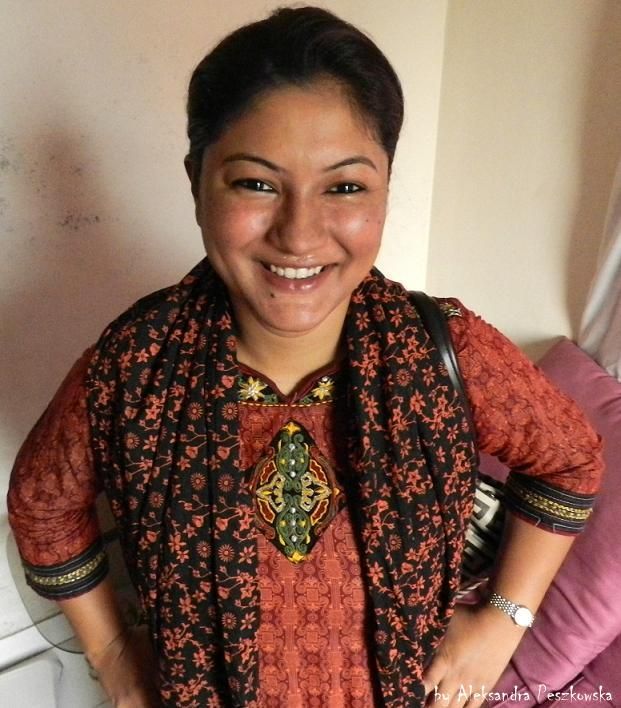
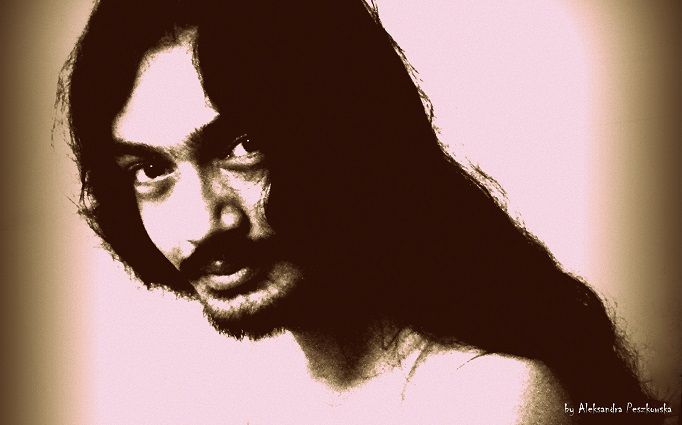
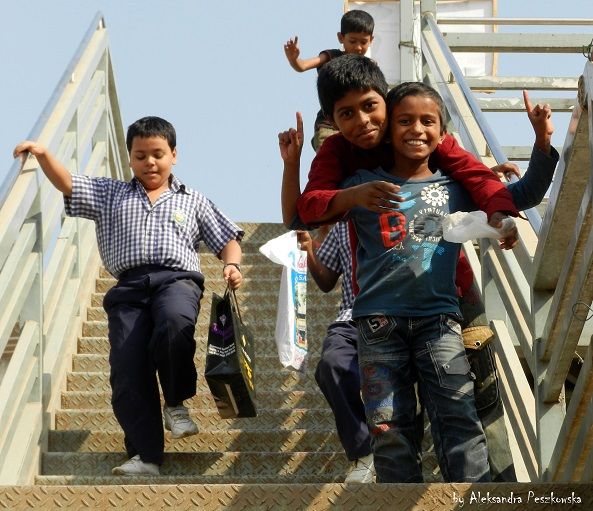
Uccziłam Nowy Rok na swój sposób – na punkowym koncercie w pobliskim squacie z bratem i jego cudowną dziewczyną, Mają. Założyłam moje największe bengalskie kolczyki i bransoletki – pół tony złomu i jeszcze więcej wspomnień. I teraz przekazuję Wam do oglądania dużo twarzy. Twarzy ludzi bliskich i zupełnie przypadkowych.
Na ulicach ludzie sami mnie zatrzymywali, żebym zrobiła im zdjęcie, mówiąc „w ten sposób zabierzesz nas ze sobą”. I zabrałam. Są ze mną już na zawsze.
Desh - Shubo Nobo Borsho!!!!
This day in Dhaka is already over. But in Poland it is still April 14th. Bengali New Year. A date good for comebacks… And for new beginnings. Happy New Year!!!!!
Soon enough I will have a presentation in 3 city about Bangladesh so I started managing my pictures. I was hoping that during the presentation I would be accompanied by my sister from another mother – Arman. But unfortunately because of some idiotic visa rules she cannot come to Poland and for other reasons I cannot go to Amsterdam when she will be (will I live long enough to see the world where those imbecile limitations won’t exist anymore?!).
The avalanche of memories was started. A few times I almost cried. It is hard to tell how much I miss Bangladesh. Those overcrowded, dusty streets. And the dust which gets stuck everywhere – in your eyes, nose and mouth. And people who welcomed me as if I were their family member and who will always be members of my own global family of friends.
I celebrated New Year on my own way. With my Brother and his fabulous girlfriend Maja we went for a punk concert in a nearby squat. I was wearing my biggest Bengali earrings and bangles – half a tone of scrap metal and even more memories. And now I am giving you to watch a lot of faces. Faces of people very close and completely random.
It happens often in BD that people are stopping you on the street asking you to take their picture and saying “this way you will tak us with you”. And so I did. And they will stay with me forever.
Desh – Shubo Nobo Borsho!!!!!
środa, 30 stycznia 2013
Sisterhood is global!
Udział w manifestacji (pardon! – spacerze) pod Sejmem w
ostatnią niedzielę zbiegł się w czasie ze zmianą lektury. Skończyłam właśnie
„Czerwony pył” chińskiego autora Ma Jiana (która to pozycja zasługuje na
odrębny post) i zabrałam się za książki, które przywiozła mi KasiaBe. A wśród
nich były dwie pozycje Agnieszki Graff. Na pierwszy ogień poszła najnowsza
„Magma”.
Stali czytelnicy być może pamiętają, że w swoich pierwszych
postach z Bangladeszu powoływałam się na Agnieszkę Graff i jej „Świat bez
kobiet”. Do dziś pamiętam, jak silne wrażenie na mnie wywarła. Ciężko tu mówić
o objawieniu, ale muszę pryznać, że otworzyły mi się oczy na pewne „oczywiste
oczywistości”, których jest wokół nas pełno i których nie dostrzegałam.
Oczywistości jawnie krzywdzące. Jak chociażby łatka przypięta do slowa
„feministka”... Ileż ludzi namiętnie powtarza, że „feminizm” to nienawiść do
mężczyzn?!
A ja czuję się feministką i feministką się określam, chociaż
nikt mi nie może zarzucić, że mężczyzn nie lubię... A już na pewno, że ich
nienawidzę. Nienawiść to w ogóle jest mocne słowo i nawet wobec najgorszych
wrogów łatwo nim nie szafuję.
Koleżanka (bardzo fajna dziewczyna) zadała mi niedawno
pytanie „czy dotknęła cię kiedyś dyskryminacja?” Bez namysłu rzuciłam kilka
przykładów i... musiałam się powstrzymać przed słowotokiem. Bo mogłabym je
niestety mnożyć.
Stąd też wziął się pewien pomysł. Zaproponowałam to już
mojej przyjaciółce z Bangladeszu, która na szczęście przyjęła go z wielkim
entuzjazmem. Pragnę stworzyć nowego bloga. Oddzielnego od tego i tematycznego.
Bloga o dyskryminacji kobiet. Bloga, na którym pisać nie będę sama, a
dziewczyny z każdego miejsca na ziemi – wszystkie te, które poczują chęć
stukania w klawiaturę. Chciałabym stworzyć forum dla kobiet, które znam i które
dopiero poznam, na którym mogłyby się dzielić swoimi problemami związanymi z
dyskryminacją ze względu na płeć, a następnie pomysłami, jak można dany problem
rozwiązać. Żyjemy w różnych miejscach i mamy różne doświadczenia, choć wspólne
bolączki – warto się nimi wymienić, aby być może odkryć, że w jakimś zakątku
świata dana kwestia była już poruszona i rozwinięta. Warto wymieniać się
pomysłami – abyśmy mogły sobie wzajemnie pomóc. Bo tak pojmuję feminizm – jako
wspólną walkę o to, by żyło nam się nie gorzej niż naszym męskim współlokatorom
na tej niewielkiej planecie.
Krótki spacer pod Sejmem przypomniał mi, że warto działać.
Warto rzucić ideę i pozwolić jej się rozwijać. Warto czasem wyjść z domu –
choćby tylko po to, by być kolejną głową do policzenia w tłumie protestujących.
A jeszcze lepiej – aby wspólnie się zastanowić, jak stać się kimś więcej.
Dlatego dziewczyny – zapraszam Was do dzielenia się
przemyśleniami, ideami. Bloga, którego wraz z moją bengalską przyjaciółką
postanowiłyśmy nazwać „Transcontinental sisters” (korzenie samego hasła
„Sisterhood is global” sięgają lat 80-tych ubiegłego wieku, ale nic nie
straciło ono na aktualności), mam nadzieję otworzyć w przeciągu tygodnia –
dwóch. I będę bardzo szczęśliwa, jeśli zechcecie dorzucić tam swoje posty i
komentarze.
The
participation in a manifestation (pardon! – it was just a walk) under the
Parliament on last Sunday happened around the time when I changed books. I had
just finished “Red Dust: A Path Through China” by the Chinese author Ma Jian
(which deserves a separate post) and started reading books brought by KasiaBe.
And what I found among them were two books by Polish feminist writer Agnieszka
Graff. I started with her latest book “Magma”.
My constant
readers might remember that in my first posts from Bangladesh I was quoting
Agnieszka Graff and her “World Without Women”. I still remember how strong
impression it had on me. It’s hard to talk about a revelation but I still have
to admit that I opened my eyes on some “obvious obviousness” which the world is
full of and which I haven’t noticed. The obviousness openly harmful. Like the
common understanding of a word “feminist” as “a woman who hates men”.
And I find
myself a feminist and I describe myself so although no one could ever say about
me that I don’t like men… And surely no one can accuse me of hatred. Hatred is
a strong word anyways and I don’t use easily it even against my worst enemies.
A friend of
mine (a very cool chick) asked me some time ago “have you ever experience
discrimination?” Without giving it a second thought I told her a few examples
and… I had to shut myself up not to start a tirade. Because I could prepare a
very long list of examples.
That is how
I got an idea. I already told about it to my Bangladeshi friend who luckily
accepted it with a huge enthusiasm. I want to create a new blog. Separate from
this one and thematic. A blog about discrimination of women. A blog not only
written by me but by girls from every corner of the planet – whoever would feel
like using their keyboard. I would like to make it a platform for women I know
and those I will meet where they would share their problems connected with a
gender discrimination and then – their ideas about solving them. We live in
different places and we have different experience though same worries – it’s
worth a while to exchange them to maybe discover that some of those worries are
felt elsewhere and already somehow are taken care of. It’s great to exchange
ideas about how we can help each other. Because that is my definition of
feminism – a common fight for our lives – so that they wouldn’t be worse than
those of our male “planetmates”.
The short
walk around the Parliament reminded me that it’s worth to act. To give an idea
and let it grow. It’s worth to go out – even if just to be another head in the
crowd of protesters. Or better – to jointly wonder how to be something more.
So girls –
I invite you to share your thoughts and ideas. I hope to start a blog which
with my Bengali friend we decided to call “Transcontinental sisters” (the
slogan “Sisterhood is global” was invented in eighties but is still valid) in a
week or two. And I will be very happy if you decide to publish there your posts
and comments.
środa, 23 stycznia 2013
Hong Kong Gold Fish Market
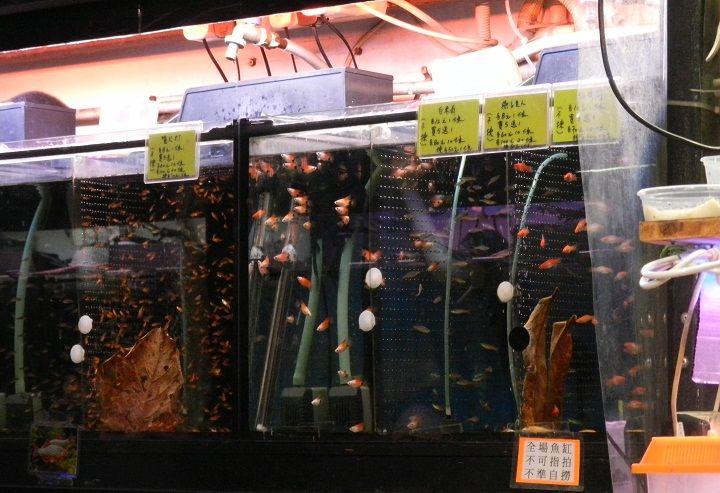
Plan był nieco inny. Miałam pisać o Wielkim Buddzie. Jednak
Wielki Budda to temat zaskakująco rozlegly – z samą wyprawą do niego lączy się
kilka historii. A mnie tymczasem chyba dopada mróz i mam wrażenie, że chce mnie
dopaść jakieś wstrętne choróbsko. Rzadko mi się zdarza, żebym zaraz po powrocie
z pracy padała na łóżko i to bez obiadu. A dzisiaj właśnie tak było. Więc post
będzie króciutki.
Po zwiedzeniu zaledwie trzech krajów nie należy uogólniać na
cały kontytnent, ale odnoszę jednak wrażenie, że jest to azjatycka specyfika:
wyspecjalizowane ulice. W Dhace na Baddalink Road, niedaleko której mieszkałam,
mieściły się sklepy z łóżkami, materacami i meblami. Na Road 11 w Banani każdy
wie, że można kupić fajne ciuchy i pójść do drogiej knajpy, na równoległej
Kamal Attaturk Avenue – dostanie się dodatki i biżuterię. Każdy mieszkaniec
wie, gdzie kupić części samochodowe, sedesy, czy materiały. I każda dzielnica
ma własny dzień wolny w tygodniu (niezależny od weekendu).
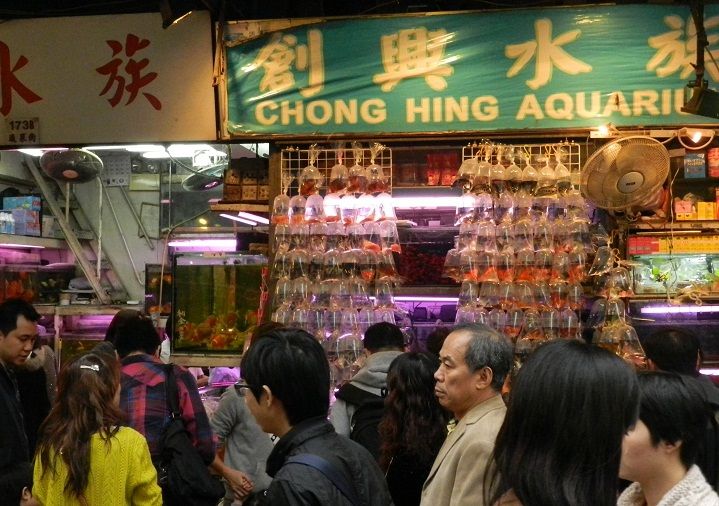
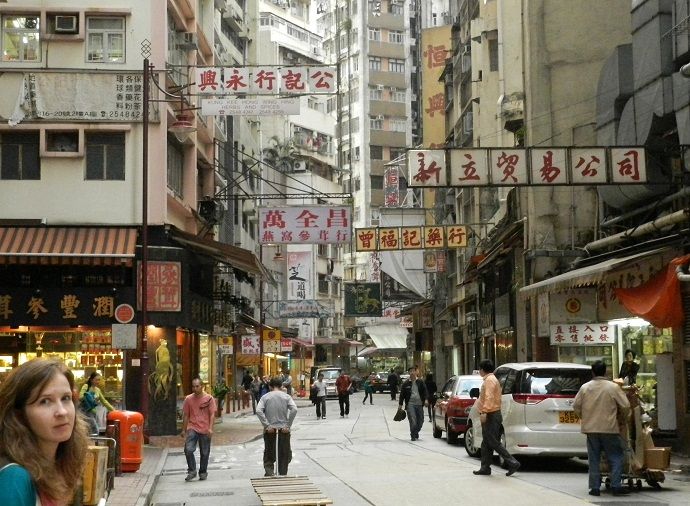
Podobnie było w Hong Kongu. Na jednej ulicy można bylo kupić
sprzęt elektroniczny, na innej niedrogie damskie ciuchy, a jeszcze gdzie
indziej kwiaty. I jest tam też Fa Yuen Street (a przynajmniej jej północna
część), nieopodal stacji Mongkok, na której można kupić złote rybki (i parę
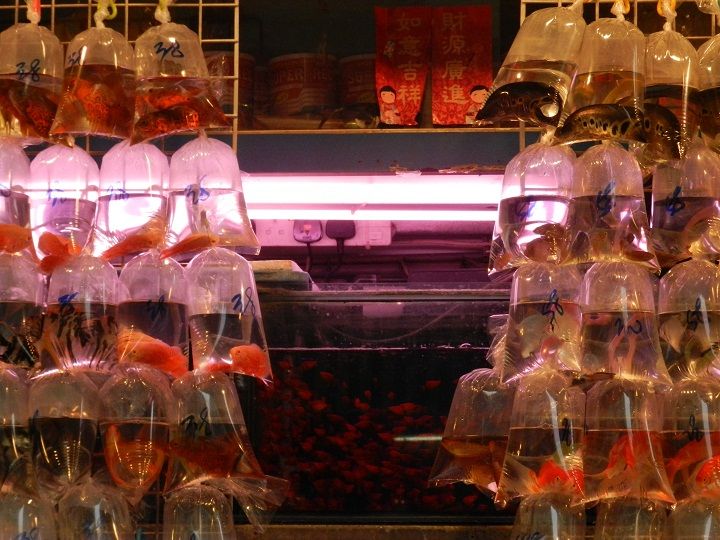
innych zwierzaków). Widok jest szczególny (ALBUM). Z pułek w równych rządkach zwisają
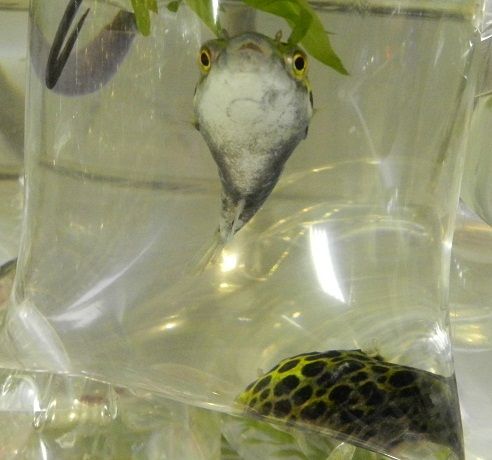
foliowe woreczki, w których zatopione w stagnacji wegetują złote rybki (nie
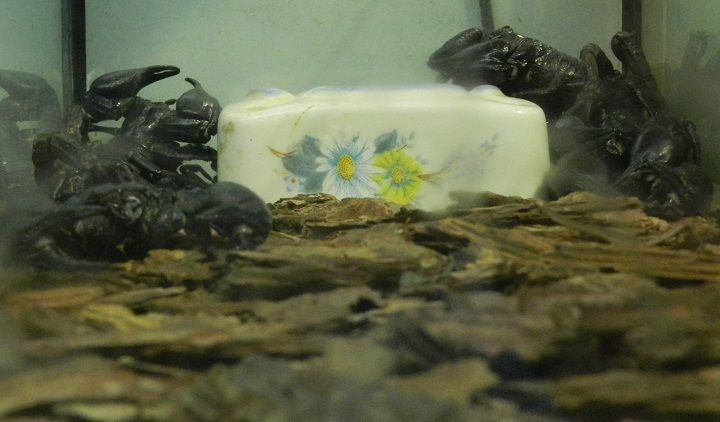
pływają, bo miejsca brak). Nieliczne tylko, mniejsze okazy, trzymane są w akwariach.
Szczęściary... Czasem zdają się spoglądać na przechodniów martwym wzrokiem, z
jakimś wyrzutem, jakby chciały powiedzieć „a zamknij się sam w foliowej torbie,
zobaczymy, co poczujesz”. A przecież ciało w foliowej torbie...
To po prostu trzeba zobaczyć.
Przy okazji przypominam, że jutro zaczyna się głosowanie na
Bloga Roku. Licze na Wasze wsparcie...
The plan
was slightly different. I was supposed to write about Giant Buddha. But
surprisingly Giant Buddha is a giant topic – with the tour to Buddha itself
quite a few stories are connected. But in the meantime the cold got me and I
have the feeling that some sickness can get me too. It does not happen often
that after getting back from work I go straight to bed without even having
dinner. But it happened today. So this post will be short.
After visiting
only three countries I shall not get ideas about the whole continent but it
seems that this one thing is purely Asian: specialized streets. On the
Baddalink Road in Dhaka, where I lived they were selling beds, mattresses and
furniture. On Road 11 in Banani – you could get fancy clothes and go to an
expensive restaurant, on the parallel Kamal Attaturk Avenue – jewellery. Every
inhabitant knows where to buy car parts, lavatory bowls or materials. And each
districts has it’s own day off regardless the weekend.

It was
similar in Hong Kong. On one of the streets you could buy electronics, on the
other inexpensive female clothes, somewhere else – flowers. And there you have
Fa Yuen Street (or at least it’s northern part), close to the Mongkok station
where you can get gold fish (and some other animals). The view is specific (ALBUM).
There are lines of foil bags hanging from the shelves and in them – stagnant little
gold fish (they do not swim because they have no space). Only few smaller ones
are kept in aquaria. Lucky them. Sometimes you’ve got the feeling that they are
watching you with some kind of remorse and thinking “close yourself in a foil
bag you idiot”. And the body in a foil bag…
One just
has to see it.
BTW – I’d
like to remind that tomorrow the voting for the blog of the year starts. And I
am counting on your support…
wtorek, 22 stycznia 2013
Świat jest taki malutki / The World is so tiny
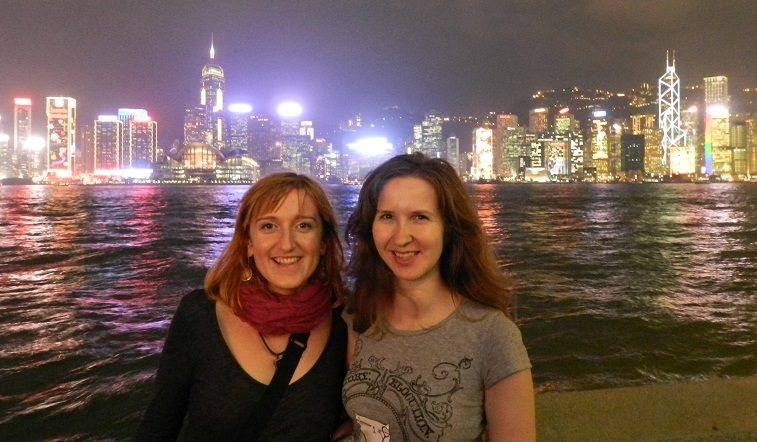
Zapomniałam paczki papierosów przemyconej z Macau. Musiałam
kupić papierosy. Weszłam do 7-eleven. Jako, że był to sklep zaraz przy
terminalu Start Ferry, skąd pływają promy na trasie Kowloon – Hong Kong Island,
sklep był wypchany. Przeciskając się koło dwóch blondynek usłyszałam "tu
masz ciasteczka zbożowe, jeśli chcesz". Więc grzecznie, po polsku
powiedziałam "przepraszam", dodałam "dziękuję" i dalej
przeciskałam się do kasy. Ale kiedy kupiłam papierosy i zobaczyłam, że
dziewczyny wyszły, wybiegłam za nimi i zaczęłam się rozglądać. Dwie blond głowy
nie były trudne do dostrzeżenia w tłumie Chińczyków. Ale trudno je było w tymże
tłumie dogonić. Prawie stratowałam po drodze jakąś małą dziewczynkę, której
wcześniej nie zauważyłam, ale w końcu udało mi się dziewczyny dogonić. Na
chwilę się zawahałam, bo poczułam się jak dziwak, ale w końcu zagadałam.
- Ja bardzo panie przepraszam, ale od dwóch miesięcy nie
rozmawiałam po polsku i chciałam tylko zapytać, skąd panie są.
- Z trójmiasta - odparła wyższa i zanim zdążyła cokolwiek
dodać, wyparowałam:
- I chodziłaś do trójki.
- Ty też.
Tak, ja też. I chociaż nie pamiętałam, że Kasia jest Kasią,
to jednak twarz zdecydowanie kojarzyłam ze szkolnego korytarza
("trójka" to określenie Trzeciego LO w Gdyni im. Marynarki Wojennej –
mojej zdecydowanie ulubionej placówki edukacyjnej). Kiedy później pisałam o tym
na facebooku, S. zarzucił mi, że z tym polskim to nieprawda, bo do niego cały
czas na ulicy mówiłam po polsku, ale z całą pewnością z nim nie rozmawiałam, bo
przecież polskiego nigdy się nie nauczył.
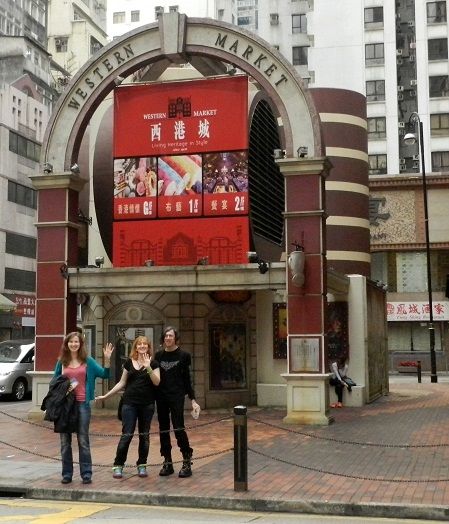
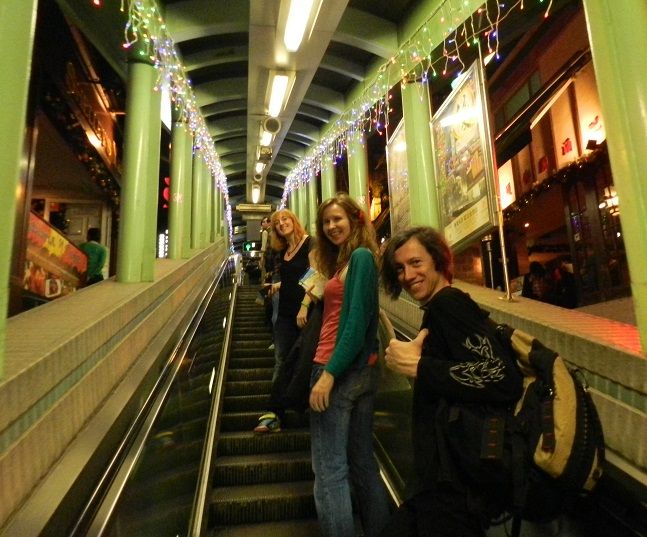
Z dziewczynami spędziłam cały wieczór i umówiłyśmy się też
na kolejny dzień, przed ich wylotem do Tajlandii, gdzie spędziły później
miesiąc (ależ skąd, wcale im nie zazdrościłam). Kolejnego dnia zwiedzałyśmy
wspólnie (w towarzystwie Oscara - sympatycznego Włocha z ich hostelu) okolice
stacji Central na Hong Kong Island. Miło było nagle znajdować się w
towarzystwie kogoś, z kim można było podzielić się wrażeniami. Spotkanie
opiłyśmy kilkoma łykami ryżowego wina (więcej na raz bez popitki wychylić się
nie dało).
To nie jedyne zaskakujące spotkanie podczas całej podróży.
Pewnie już o tym wspominałam ale na pewno dawno, więc mam nadzieję, że nie
przynudzam. Stali czytelnicy zapewne pamiętają, jak się żaliłam przed wyjazdem
- pracowałam w czterech miejscach naraz, sypiałam mało i poza załatwieniem
biletów, wiz i kupieniem podstawowych brakujących rzeczy, nie zrobiłam nic. Ada
przygotowywała plan podróży po Bangladeszu, czytała wszystko, co udało jej się
dorwać i kontaktowała się z różnymi osobami. Między innymi dołączyła do
bangladeskiej grupy na couchsurfingu. I tam zaczęła korespondować z chłopakiem,
który wybierał się z żoną na wycieczkę do Europy. Wymieniali się informacjami,
aż Robin, o którym już nie raz na tym blogu wspominałam, stwierdził, że zna
jednego Bengalczyka, który był żonaty z Polką i ową Polkę również poznał. Tak
oto, za pomocą międzynarodowej sieci społecznej, w piętnastomilionowej Dhace,
Ada trafiła na kolegę S.
Świat jest mały...
Jednak żadna z tych przygód nie może się równać z tą, której
doświadczyła moja koleżanka Karolina. Mało kto już pamięta, że kiedyś
uczestniczyłam w Kobiecych Regatach Dookoła Świata. Przez pół roku bujalam się
ośmio i pół metrową mydelniczką, najpierw po Oceanie Indyjskim, a potem po
Atlantyku. Do stawki dołączyłam w Australii, skąd płynęłyśmy na Cocos Islands,
a następnie na Chagos Archipelago, należące do British Indian Ocean Territory.
Jako, że na jednej z wysp archipelagu mieści się brytyjsko-amerykańska baza
wosjkowa, mieszkańcy zostali wysiedleni, a na pozostale wysepki można się
dostać jedynie jachtem.
Rzucając kotwicę, poza jachtem Asi i Karoliny zobaczyłyśmy
jeszcze dwa jachty. Jak się okazało, oba należały do Francuzów. Włascicielem
jednego byl młody chłopak, z którym płynął Włoch i Niemiec, a na drugim samotny
starszy Francuz, ktorego żona i syn wrócili do Europy, bo chłopiec się
rozchorował.
Z chłopakami spędziłyśmy dwa wieczory. I już pierwszego
okazało się, że ów starszy Francuz jest wujkiem dziewczyny mieszkającej w
Paryżu, u której Karolina była na wymianie jeszcze w czasach szkoły średniej...
Nie masz kryjówki na tym świecie...
‘I am terribly sorry ladies as I realize it
might seem creepy but for last two months I haven’t talked to anyone in Polish
so I just wanted to ask were exactly do you come from.’
‘From the
3city’ (which is an agglomeration consisting of Gdańsk, Sopot and Gdynia up in
the north of Poland) – the taller one answered and before she could add
anything more I said:
‘And you
used to study in high school number three’
‘And so did
you’.
Yes – me
too. And although I did not remember that Kasia is Kasia I definitely knew that
her face was familiar. When afterwards I wrote about it on facebook, S. accused
me of being untrue as “I was speaking to him in Polish all the time” but with
full conviction I can say that we were not talking because after all he had
never learned Polish.
I spent
with girls a whole evening and we decided to meet again on the next day before
their flight to Thailand were they spent a month (no, of course I am not
jealous). On the next day in a company of a nice Italian – Oscar who they met
in their hostel we visited the surrounding of Central Station in Hong Kong
Island. It was a real pleasure to spend some time with someone you can actually
talk to about things you see. We celebrated the meeting with a few sips of rice
wine (it was impossible to have more at once without mixing it with some other
beverage).

It was not
the only surprising meeting during this trip. I have probably already mentioned
it but it was surely long time ago so I hope you won’t get bored. My readers
probably remember when before the trip I was complaining – I was working at
four places at one time, I was not getting enough sleep and apart from
organizing tickets and visas and buying some necessary things I had no time to
prepare anything else. Ada was the one to prepare our visit in Bangladesh, she
was reading all she could find and was contacting other people. She joined a
Bangladeshi group on couchsurfing. And there she started a correspondence with
a guy who was about to take a trip to Europe with his wife. They were
exchanging information and one day Robin, who I mentioned on this blog quite a
few times already, said that he actually knows a guy who was married with a
Polish girl and he even met the girl as well. And that was how Ada through an
international social network, in 15-milion Dhaka found S.’s friend.
The world
is small...
But none of
these adventures can be compared with the one that my friend Karolina had. Not
many of you probably remember that once I took part in Round the World Female
Race. For half a year I was sailing a small, eight and a half meters long boat
– first across the Indian Ocean, then across Atlantic. I joined the team in
Australia from where we sailed to Cocos Islands and then to Chagos Archipelago
which belongs to British Indian Ocean Territory. As at one the archipelago’s
islands there is a British – American naval base, the inhabitants were
displaced. You could reach the rest of the island only with a sail boat.
While
dropping the anchor we saw two yachts apart from the one sailed by Asia and
Karolina. As it turned out they both belonged to French guys. The owner of one
was a young guy sailing with two guys – one from Italy and the other from
Germany. The owner of the second yacht was a lonely, elderly French man whose
wife and son returned to Europe because the boy was ill.
With guys
we spent two nights. And already on the first one it turned out the lonely
French was an uncle of a girl at whose place Karolina was staying while she was
taking part in a student exchange in high-school… One can’t hide at this
planet…
Subskrybuj:
Posty (Atom)


 Posty
Posty

